From watching the opening sequence of 'Momento', I could tell it was a thriller straight away. The music as it starts, indicates some sort of illusion and gives of an Sci-fi effect due to the split screens. The 'gun shot' which got really loud when it occurred made it more effective and the 'body bag' and 'blood' on the floor straight away portrays possible a horror, with the scene ending with a live person in a body bag is quite alienating and stylistically using thriller conventions. It in a way reminds me of the 'Seven' opening with the rush and amount is going on at one throughout, it was really rushed and chaotic. The use of it being chaotic makes us realize what the rest of the film will be like, and prepares us of the eeriness. The color of the trailer and grayness creates a depressing deathly vibe, and the use of no color makes it feel un-joyful. The vicerol made it unpleasant to watch and this contributed with the man in the trailer constantly hanging up on the phone calls.
Friday, 4 December 2015

Wednesday, 2 December 2015
Film Review: Paranormal Activity: The Ghost Dimension
Recently, I went to see Paranormal Activity: The Ghost Dimension at the Vue Cinema. The film was directed by Gregory Plotkin, as the previous Paranormal Activity: The Marked Ones (2015) was directed by Christopher B. Landon and different directors previously. Surprisingly enough they all look similarly filmed, so the directors must follow an analogous method. The movie was quite good, but not amazing! I must say I really liked how they linked the movie to one of the previous, where the house they stayed in was where the two young girls were brought up. This actually made the film scary, as the moment in time the present family was in the house, the young girls were responding to their surroundings. The cast included Chris J Murray, Brit Shaw and Ivy Shaw.....not exactly any high profiled actors which i think works for these types of movies and separates them from any other thriller/horror.
According to IMBD, this is how the movie did at Box office!
Box Office:
Budget= $10,000,000 (estimated)
Opening Weekend: $8,070,493 (USA) (23rd October 2015)
Gross: $18,247,445 (USA) (20th November 2015)
According to IMBD, this is how the movie did at Box office!
Box Office:
Budget= $10,000,000 (estimated)
Opening Weekend: $8,070,493 (USA) (23rd October 2015)
Gross: $18,247,445 (USA) (20th November 2015)
Finishing our editing for Napoleon Dynamite
At this stage, we have nearly finished editing our opening sequence. If I'm honest it has been really difficult trying to get all the scenes finished, as we haven't been able to get some of the props to film for the scenes. Excitingly we have got the music for the opening: https://www.youtube.com/watch?v=PKfD8d3XJok
We have put the music into Final Cut Pro, on top of the opening sequence and it works really well. Surprisingly, makes our shots look really good and much more effective! Hopefully we should be finished filming by the end of the week.
I have realised in this practice of our opening sequence how much work and organisation goes into preparing and filming. Next time i will make sure to have everything ready before we film and have dedicated time slots to film and a deadline to finish. I am very excited about starting my thriller preparation next week and using my thriller ideas to hopefully create an amazing piece.
We have put the music into Final Cut Pro, on top of the opening sequence and it works really well. Surprisingly, makes our shots look really good and much more effective! Hopefully we should be finished filming by the end of the week.
I have realised in this practice of our opening sequence how much work and organisation goes into preparing and filming. Next time i will make sure to have everything ready before we film and have dedicated time slots to film and a deadline to finish. I am very excited about starting my thriller preparation next week and using my thriller ideas to hopefully create an amazing piece.
Tuesday, 10 November 2015
Key Film Industry Glossary terms: Part 2
Carrying on...
Horizontal Integration: where one media company acquires another media company in the same sector, e.g. Cineworld acquiring Picturehouse Cinemas in 2012.
Digital technologies: primarily this refers to how the internet has changed the industry including online distribution, film streaming, piracy, legal and illegal downloading, 3D and digital projection...
Synergy: where two or more compatible products sell each other, e.g. a film and a computer game or a film and a soundtrack
Merchandising: where the popularity of film is manipulated and exploited through the sales of spin off goods, e.g the Star Wars franchise has made more money through merchandising over the years than ticket sales.
Franchise: the licensing of intellectual property from an original work which can be sold on using the same brand name for commercial exploitation e.g Harry Potter film franchise or Star Treck or Star Wars (8 Films) from Str Wars (1977) to Star Wars: The Force Awakens ( December 2015)
Event Movie: where the date of release is used in the marketing e.g Spectre on the first Monday of half term or The Hobbit where you have to wait until Christmas to see them.
Cross Media Ownership: where companies have interest in a range of media e.g song and Gaming, Film Distrubution, Electronic.....
Media Convergence: where film is available/consumed and can be marketed on a number media platforms e.g Cinema, Streamed, DVD, X BOX, Playstation...Film websites often have convergent links to a range of rich media.
Horizontal Integration: where one media company acquires another media company in the same sector, e.g. Cineworld acquiring Picturehouse Cinemas in 2012.
Digital technologies: primarily this refers to how the internet has changed the industry including online distribution, film streaming, piracy, legal and illegal downloading, 3D and digital projection...
Synergy: where two or more compatible products sell each other, e.g. a film and a computer game or a film and a soundtrack
Merchandising: where the popularity of film is manipulated and exploited through the sales of spin off goods, e.g the Star Wars franchise has made more money through merchandising over the years than ticket sales.
Franchise: the licensing of intellectual property from an original work which can be sold on using the same brand name for commercial exploitation e.g Harry Potter film franchise or Star Treck or Star Wars (8 Films) from Str Wars (1977) to Star Wars: The Force Awakens ( December 2015)
Event Movie: where the date of release is used in the marketing e.g Spectre on the first Monday of half term or The Hobbit where you have to wait until Christmas to see them.
Cross Media Ownership: where companies have interest in a range of media e.g song and Gaming, Film Distrubution, Electronic.....
Media Convergence: where film is available/consumed and can be marketed on a number media platforms e.g Cinema, Streamed, DVD, X BOX, Playstation...Film websites often have convergent links to a range of rich media.
Key Film Industry Glossary Terms
I thought by making a glossary of terms from the Film Industry it will remind me each time if i forget and help me remember, these are mainly what i collected from the BFI Film Festival.
Production: the physical film making process (the UK film industry is stereotypically more production led, the US distribution led)
Distrubution: getting films out to audiences and paying for the advertising and marketing. To understand commercial success, the role of distribution is crucial.
Exchange: audience film consumption on a range of platforms, e.g Cinema, DVD and streaming....
Multinational Conglomerate: large organisations whose business interests are global, utilising synergy and convergence and also cross media ownership- apart from Disney, all of the 'big six' film distributors are owned by multi national conglomerates.
Monopoly: where one company dominates the market. Netflix are currently dominating online film distribution
Oligopoly: where four or more companies dominate the market e.g the big six
The Big Six: the studios that dominate film distribution and form the oligopoly of ownership (owned by multi national conglomerates)
Globalisation: where films are distributed around the work through elaborate cross media marketing net works.
Production: the physical film making process (the UK film industry is stereotypically more production led, the US distribution led)
Distrubution: getting films out to audiences and paying for the advertising and marketing. To understand commercial success, the role of distribution is crucial.
Exchange: audience film consumption on a range of platforms, e.g Cinema, DVD and streaming....
Multinational Conglomerate: large organisations whose business interests are global, utilising synergy and convergence and also cross media ownership- apart from Disney, all of the 'big six' film distributors are owned by multi national conglomerates.
Monopoly: where one company dominates the market. Netflix are currently dominating online film distribution
Oligopoly: where four or more companies dominate the market e.g the big six
The Big Six: the studios that dominate film distribution and form the oligopoly of ownership (owned by multi national conglomerates)
Globalisation: where films are distributed around the work through elaborate cross media marketing net works.
Spectre Film Review
I went to see Spectre on the second week it came out and the Everyman in Belsize Park. It was really hard to get a ticket as it was always fully booked, but the second week was less full than the first. To be honest, I didn't enjoy Spectre as much as I thought I would, considering the amount of hype there was. I thought the film was very basic, although it was filmed really well. I really like the locations where they shot, they made the film more interesting and exciting. I didn't like the Bond girl Léa Seydoux who played Dr. Madeleine Swann, personally in my opinion they could of used someone more stimulating and special because the role of the Bond girl is really unique and I don't think anyone really knew who she was. Director Sam Mendes says: “The tradition for Bond is always real stunts, real action, real explosions. There's nothing made on a computer and that remains the case here. So the ultimate goal is the kind of visceral excitement you can only get from live stunts." For me these are the best parts about the film, it basically started with him nearly having a building collapsed on him and this is when the movie really starts. Overall I did enjoy it, but they could of made a few changes to make it better, as Skyfall was such a hit I think it could of been better.
Spectre: Making more money than Skyfall
According to reports, Spectre has landed the biggest seven day bank drop in UK history, where $63.8 million coming in over the first week of its release. The film has brought overall $80.4 in six territories, which is music to Sony and MGM's ears. As both studios had not the best summer, Spectre is just what they both needed. If anything, Skyfall is the reason that drives people to see Spectre. With Skyfall grossing the $1 billion mark, people are hoping that Spectre can hopefully make the same success.
As you can see Spectre made the top 20 films at the weekend box office per Rentrak theatrical:
1). Spectre (SONY), 3,929 theaters / 3-day cume: $70.4M / Per screen average: $17,919/Wk 1
As you can see Spectre made the top 20 films at the weekend box office per Rentrak theatrical:
1). Spectre (SONY), 3,929 theaters / 3-day cume: $70.4M / Per screen average: $17,919/Wk 1
Stories that can be used as a thriller
Here are some good ideas I thought of to be used for a thriller movie:
1- Possibly a young girl walking home from school each night, and every night she walks home she feels as if she is being followed. There is a series of events where nothing happens and then the scene switches to her waking up under a bridge with bruises/marks and then you have to decide for yourself what actually happens.
2- I thought the idea of a girl babysitting at home and she keeps hearing noises from upstairs and around the house, and then she goes up stairs to check what's going on and sees nothing. Doors slam and the letterbox opens and she sees a shadow at the front door. Before the parents went out they made sure all the doors were locked, but when she comes back downstairs the back door seems to be wide open with the wind swinging it back and forth. So she goes to get the key and hears and scream, rushing upstairs she checks the childrens bedroom and one of the girls is missing....Why that child? How did the door open?
3- This could be set in a fancy dress shop? or any sort of shop I guess and suddenly he/she gets sent an anonymous text message which threatens her.......and tells her the person is 'watching her' Then she looks round the room and turns around and looks and loads of masks, when suddenly one of them has someone's face behind it and the person runs.
1- Possibly a young girl walking home from school each night, and every night she walks home she feels as if she is being followed. There is a series of events where nothing happens and then the scene switches to her waking up under a bridge with bruises/marks and then you have to decide for yourself what actually happens.
2- I thought the idea of a girl babysitting at home and she keeps hearing noises from upstairs and around the house, and then she goes up stairs to check what's going on and sees nothing. Doors slam and the letterbox opens and she sees a shadow at the front door. Before the parents went out they made sure all the doors were locked, but when she comes back downstairs the back door seems to be wide open with the wind swinging it back and forth. So she goes to get the key and hears and scream, rushing upstairs she checks the childrens bedroom and one of the girls is missing....Why that child? How did the door open?
3- This could be set in a fancy dress shop? or any sort of shop I guess and suddenly he/she gets sent an anonymous text message which threatens her.......and tells her the person is 'watching her' Then she looks round the room and turns around and looks and loads of masks, when suddenly one of them has someone's face behind it and the person runs.
Napoleon Dynamite: First day of editing
Today, our group started using Final Cut Pro and it was our first actual day of editing. All of us were really excited about getting to look through the footage properly and analysing each shot. When we were sorting out each shots, we realised there were some scenes we had not yet filmed, which we had got ready to film (Like the egg, steak etc....) but unfortunately didn't work when we came to film them. For example the egg was cut wrong and looked really bad and the steak ended up becoming to watery to film. So we had a successful first day of editing but there were a few complications in the way which we will resolve by re-filming.
Fiding the font


There were successfully many websites that
consisted of the Napoleon Dynamite font and here are some of the following examples :


Following Websites for Napoleon Dynamite Fonts:
http://www.fontspace.com/category/napoleon%20dynamite
https://www.myfonts.com/
http://www.fontsaddict.com/font/search/napoleon-dynamite
Friday, 6 November 2015
Woody Allen

"I don't want to achieve immortality through my work. I want to achieve it through not dying"
"Eighty percent of success is showing up"
"Money is better than poverty, if only for financial reasons"
Woody Allen is an American actor, writer, director, comedian and playwright. He was born December 1st 1935 (79 years old) and was born in The Bronx, New York City.
- He worked as a comedy writer in the 1950s
- Writing jokes and scripts for television and also publishing several books of short humour pieces.
- In the beginning of the 1960s, Woody Allen began performing as a stand-up comedian, emphasising monologues rather than traditional jokes.
- By the mid-1960s Allen was writing and directing films, he started with specialising in slapstick comedies before moving into dramatic material, which was influenced by European Art Cinema during the 1970s. His best-known of his over 40 films are Annie Hall (1977), Manhattan (1979), and Hannah and Her Sisters(1986). Critic Roger Ebert described Allen as "a treasure of the cinema.
- Woody Allen has been nominated 24 times and won four Academy Awards
- 3 for Best Original Screenplay and 1 for Best Director (Annie Hall).
Wednesday, 28 October 2015
BFI Film Festival Review
On Thursday 5th November 2015, we went to the BFI Southbank, Waterloo to watch a talk by Rob Miller and fellow people in the film industry called 'Introduction to the Film Industry: A Level Study Day' The day involved speakers including: Rob Miller (Film and Media consultant), Faye Ward (one of the UK's most prominent young producers), Gareth Lowrie (Film Marketing) and Paul Ridd (Marketing and Acquisitions Manager at Picturehouse) I had such a good day and found all of it really interesting. I got to fully understand the difference between:
Mainstream Film- safe genre films that are distributed to mass, national and international audiences e.g Star Wars: the Force Awakens. Star Marketing and Science Fiction
Independent Films- films that have a more limited appeal to niche audiences. Independent films do not have access to extensive distribution networks. Ben Wheatley's 2015 film High-Rise is a useful British example with Spotlight (2015) as a good example of a US indie.
Mainstream Film- safe genre films that are distributed to mass, national and international audiences e.g Star Wars: the Force Awakens. Star Marketing and Science Fiction
Independent Films- films that have a more limited appeal to niche audiences. Independent films do not have access to extensive distribution networks. Ben Wheatley's 2015 film High-Rise is a useful British example with Spotlight (2015) as a good example of a US indie.
"Se7en" Opening Sequence: Analysis Part 2

Firstly, the font creates a creepy thrill top the opening title and sets it up perfectly for the film. The distorted letters which kept flashing throughout made it feel slightly odd and fluky and made me feel unfamiliar which was probably what the director wanted, also as it's hand written is more creepy. Overall it is making you feel unknown from the beginning, and prepares you to be aware for what is going to come and makes you feel more unease.
The camera angles and framing was rather jagged throughout, jittery and unfocused. Each scene doesn't last long either, which makes you question what is actually going on and what you missed. Sometimes there also a slight double exposure and over lapping of scenes which makes it feel more unclear. Also the colour of the trailer is all grey and black and its really dull, the use of the shadows makes it feel more secluded and obscure.
The music in the background is a spliced sample of an uncredited remix of the Nine inch Nails song "Change", available as "Closer (Precursor)", remixed by Coil, on the "Closer" single. The music makes it feel much more alive and the bass in the background emphasises the opening and makes it feel more haunted as its like an unknown sound trying to break through.
Here is the trailer, so you can have a look: https://www.youtube.com/watch?v=J4YV2_TcCoE
"Se7en" Opening Sequence: Analysis Part 1
Here are some of the iconic credits from the opening sequence: David Fincher's 'Se7en'
Kyle Cooper is speaking where i have quoted, and the rest are my own person ideas, alongside my next blog entry where i look at it in more detail.
 |
| Fincher initially came to me with an idea about Morgan Freeman taking a train ride from this gritty, dark, rainy city to a house out in the country that he wanted to buy for his retirement. He needed a temporary title sequence for a studio test screening, so we made this slide show using some of John Doe’s scrap books. It was just stills, and we used a hand-drawn type to suggest that Doe did the writing himself. |
 |
| FONT- Here he was thinking about the idea of credits as handwriting to suggest the dark part of John Doe’s personality and his obsession, and he actually scratched all the credits on a scratchboard and then scanned it back in. |
 | |
|
 |
| MARKER PEN-"John Doe has this rage and indignation at people’s behaviour and he’s crossing out things that shouldn’t be there. The idea of life and pregnancy and marriage and our ideas about what this perfect life is: he doesn’t think we deserve to have those kinds of experiences. At the end of the day, people are always trying to do things that are bleak and shocking and it’s difficult to do something that reflects a bleak worldview unless you’ve experienced some of those things yourself. But it’s kind of a wink because it is so playful – it’s like a spirited, playful dance. I don’t think of it as super dark." |
 |
| HANDS- When they filmed the opening sequence, the producers/director looked at many hand models and the one that was hired was a Tai Chi guy, whom was pretty large- and strange, scary and seemed rather threatening. Fischer was apparently upset with the casting as apparently his hands looked nothing like Kevin Spacey 'If you look at spacey's hands, his fingers are long and thin, but this guys hands were kind of stumpy' |
Sunday, 11 October 2015
Re-Creating the opening of Napoleon Dynamite: Preperation 2
 |
| Storyboard for the opening credits of 'Napoleon Dynamite' |
 |
| Opening Sequences Part 1 |
 |
| Opening Sequences Part 2 |
Wednesday, 7 October 2015
Re-Creating the opening of Napoleon Dynamite: Process
Our group is currently in the middle of re-creating our opening film, Napoleon Dynamite. At first we had to come up with multiple films which we thought would be good to do, like Amelie, The Devil Wears Prada ect....Our objective is re-make the first 2-3 minutes of the film, including the opening titles and music, also making sure our props match. By doing this we are understanding the process in which this is professionally performed, we come to realisation how much work goes into all different aspects, like filming, post-production and preparations.
So far we have made a timeline of the opening and i have labeled it, as to when each scene changes so we can allocate our time and when we need to come in (how long they last). This helped as we got a better understanding of the different clips and how they relate. We also have a storyboard, this helped as it enabled us to work out what was needed in each scene and so we can work out the camera work and what we need.
Unfortunately, we lost our storyboard on the computer when we did it the first time, the computer turned off and we didn't save it so we had to do the whole board again. Thats it so far, and we are in the preparation of sorting out how we are going to get the props and food we need.
Here is the link of the opening of 'Napoleon Dynamite', so this is what we are trying to recreate: https://www.youtube.com/watch?v=vLwmAGDML_k
So far we have made a timeline of the opening and i have labeled it, as to when each scene changes so we can allocate our time and when we need to come in (how long they last). This helped as we got a better understanding of the different clips and how they relate. We also have a storyboard, this helped as it enabled us to work out what was needed in each scene and so we can work out the camera work and what we need.
Unfortunately, we lost our storyboard on the computer when we did it the first time, the computer turned off and we didn't save it so we had to do the whole board again. Thats it so far, and we are in the preparation of sorting out how we are going to get the props and food we need.
Here is the link of the opening of 'Napoleon Dynamite', so this is what we are trying to recreate: https://www.youtube.com/watch?v=vLwmAGDML_k
Sunday, 4 October 2015
How have developments in film technology changed since the beginning of film, with reference to 'Everest' and 3D?
'Everest' the latest offering movie by Working Title Productions uses 3D technology to heighten the dramatic effect of an adventure of a group of men that risk climbing to the top of Mount Everest whilst being based on a true story. There were many key moments throughout the movie which were enhanced by creativity, meaning and creating a profound effect of the audience. These have played out through the use of camera angles, editing, music and sound effects and of course seeing the film at the IMAX in 3D left me gripped to my seat, which was extremely overwhelming.
Firstly the use of camera angles and framing heightened my experience of watching 'Everest' A key first camera angle we visually came across is the aerial, where the camera is looking down upon a bridge which connects the two mountains together. This angle was rather graphic, especially being in 3D, made the audience watching the film feel more involved as it was overwhelming and capturing. Another example is when one of the main characters Becks, is slowly walking across a ladder trying to reach the other side of the mountain whilst the other group of climbers wait the opposite side. Of course, we came to grips with what is going to happen as the camera angle enters a 'close up' shot on his shoes which show them about to slip off the ladder, this is accompanied by music which makes the scene more effective and allows use to be more prepared for what is going to come.
Secondly, the experience of the IMAX definitely enchanted the effect on the audience. This was perceived by the around sound, the use of 3D technology and the larger curved screens, which was obviously much bigger than an normal cinema. When certain dramatic scenes played: for example the storm at the end and back again to Beck falling under the ladder. The sound was rather loud and increased the momentum during the film, making me physically excited and just made it more effective and us watching the film felt more intrigued. The all around sound made the film feel real life as it was coming from every direction. Also when the storm came across the sound came up from behind which worked really well, so diegetic sound was enchanced in the editing.
Firstly the use of camera angles and framing heightened my experience of watching 'Everest' A key first camera angle we visually came across is the aerial, where the camera is looking down upon a bridge which connects the two mountains together. This angle was rather graphic, especially being in 3D, made the audience watching the film feel more involved as it was overwhelming and capturing. Another example is when one of the main characters Becks, is slowly walking across a ladder trying to reach the other side of the mountain whilst the other group of climbers wait the opposite side. Of course, we came to grips with what is going to happen as the camera angle enters a 'close up' shot on his shoes which show them about to slip off the ladder, this is accompanied by music which makes the scene more effective and allows use to be more prepared for what is going to come.
Secondly, the experience of the IMAX definitely enchanted the effect on the audience. This was perceived by the around sound, the use of 3D technology and the larger curved screens, which was obviously much bigger than an normal cinema. When certain dramatic scenes played: for example the storm at the end and back again to Beck falling under the ladder. The sound was rather loud and increased the momentum during the film, making me physically excited and just made it more effective and us watching the film felt more intrigued. The all around sound made the film feel real life as it was coming from every direction. Also when the storm came across the sound came up from behind which worked really well, so diegetic sound was enchanced in the editing.
The effect of watching 'Everest' at the IMAX
The effect of the audience of key scenes created an emotion response. This was played out when Rob was seen about to die and Jans role played by (Kiera Knightley) was put on the phone to him by one of the volunteers working at base one. The audience in this moment felt upset and it was compelling as the scenes were filmed close up. The two characters played the roles well as they both became rather emotionally attached, which heightened the the meaning and effect on the audience. Another example is when Beck was awakened in the snow, or even the day before where the scene was very graphic, increasing the intensity and was visceral. The nose bleed was ambiguous and the cuts and sores on his hand made the audience emotionally incapable and upsetting. As we know later he lost his hands and this again was overwhelmed by the storm just before all the other characters coincidentally left the snow and the negative attractions increased the emotion.
Overall, I would say the success of this cinema increased the suspense and effect of the movie. The 3D technology, definitely enhanced the narrative of the film and kept me more captured throughout. I think for a film like 'Everest' 3D works really well, as you can capture amazing camera angles and sound effects and the use of 3D carries out a film like nothing else. I have seen the film twice, once at the IMAX and secondly at the Everyman and it is much more attractive at the IMAX and was definitely the one I preferred and allowed a different experience. It kept me alive throughout and intrigued me the whole way through which is good for a type of adventure/thriller such as its self.
Overall, I would say the success of this cinema increased the suspense and effect of the movie. The 3D technology, definitely enhanced the narrative of the film and kept me more captured throughout. I think for a film like 'Everest' 3D works really well, as you can capture amazing camera angles and sound effects and the use of 3D carries out a film like nothing else. I have seen the film twice, once at the IMAX and secondly at the Everyman and it is much more attractive at the IMAX and was definitely the one I preferred and allowed a different experience. It kept me alive throughout and intrigued me the whole way through which is good for a type of adventure/thriller such as its self.
Wednesday, 30 September 2015
David Fincher


- David Fincher was born August 28th 1962, he is an American Film Director, Film producer, Television Director and Music Video Director.
- Fincher has been nominated for: Academy Award for Best Director (The Curious Case of Benjamin Button 2008 and The Social Network 2010)
- Won: Golden Globe Award for Best Director and BAFTA Award for Best Direction He is also known for having directed the psychological thrillers Seven (1995), Fight Club (1999), the mystery thrillers Zodiac (2007) and The Girl with the Dragon Tattoo (2011) and Gone Girl (2014), as well as being pivotal in the creation of the critically acclaimed U.S. television series House of Cards.
- He was born in Denver, Colorado to a mental health nurse from South Dakota who worked in drug addiction programs, and Howard Kelly Fincher, an author from Oklahoma who worked as a reporter and a bureau chief for Life. From a young age Fincher knew that he wanted to go into Film Making.
- During high school he directed plays and designed sets and lighting after school. He was a non-union projectionist at a second-run movie theatre, production assistant at the local television news station KOBI in Medford, Oregon, and took on other odd jobs such as fry cook, busboy, and dishwasher. Fincher began his film making career at just eight years old with an 8mm camera.
- I love watching his movies, they all have an underlining suspense of thriller throughout them, although his films are not very graphic they are still eerie and stimulating. I think he is an extremely talented director and producer, his films are significant in his own terms and you can tell his films are his by his self-sufficient style.
My Weekly Media Consumption
 |
| This Pie Chart, documents my media consumption during a week, this included the use of Youtube, Television, Movies, Social Media and Music. |
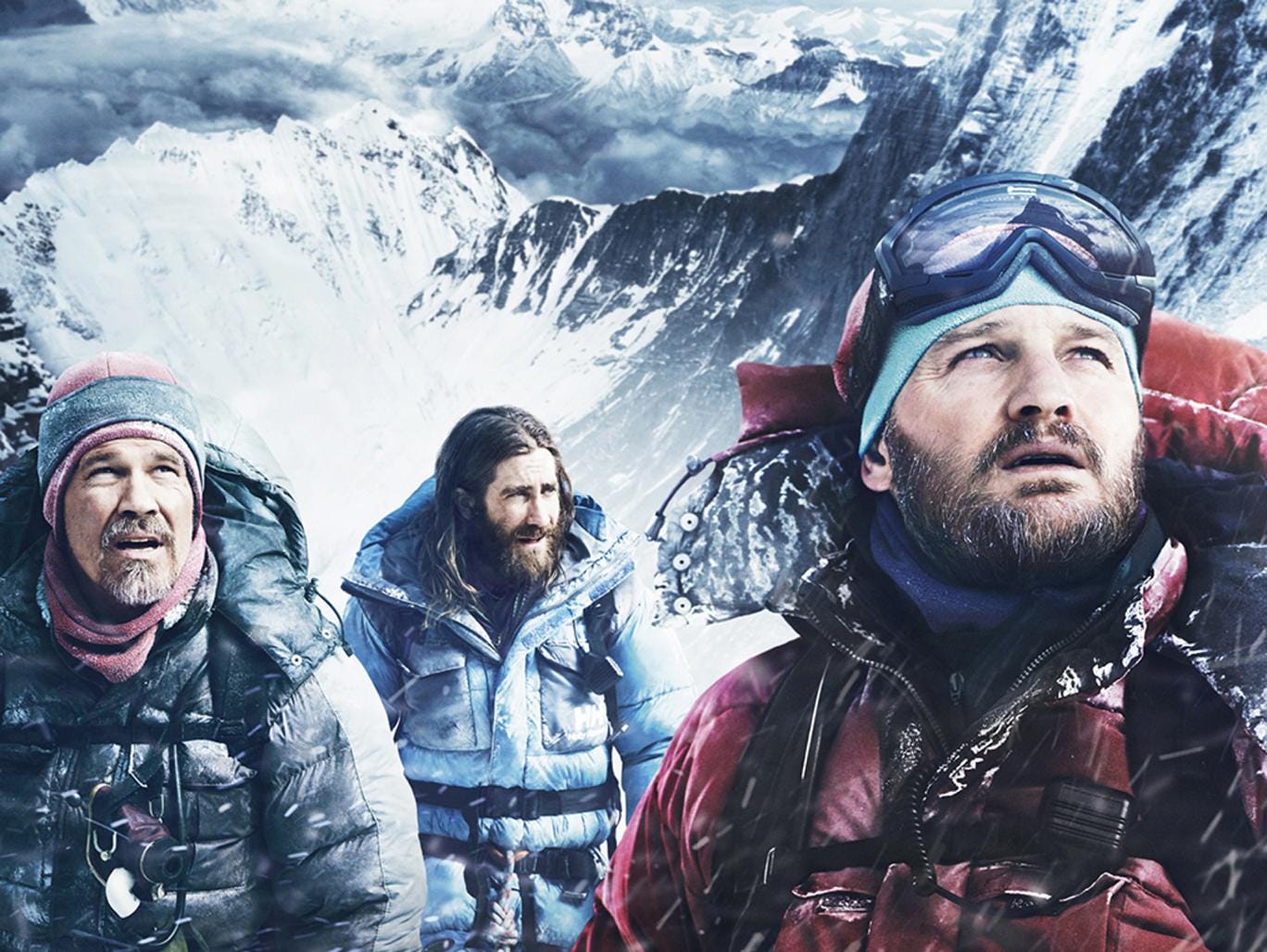
Everest IMAX Movie

Having seen Everest at the IMAX was a completely different experience. Firstly, the sound was something else and I could not just hear it but also feel it at the same time. It would literally vibrate the room and make the film feel so much more alive. This made certain scenes feel much more effective and surreal and was really enjoyable to watch.
Also due to the large screen we were watching the film on, it made me feel as if i was almost there. The screen was curved so you felt more involved and all the use of these different techniques made the film feel more alive.
I would definitely recommend to go see Everest as it was a thriller storyline and really good to watch. Make sure you see it at the IMAX as it was much more enjoyable :)
Saturday, 19 September 2015
Types of Shots/Sizes
Aerial Shot-Plan/shot sizes
Aerial Shot-Plan/ is an elevated perspective of an object from above, with a view as though the observer were a bird, often used in the making of blueprints, floor plans and maps.It can be an aerial photograph, but also a drawing.
Wide/Long Shot
Long shots are used to emphasise a sweeping location around the subject. Long shot and wide shot are interchangeable terms.
Full Shot (FS
A full shot displays the character from head to toe, without showing much of his surroundings (or else it would be considered a long shot). These shots were very popular in the beginning of cinema before filmmakers had understood the power of medium shots and close-ups.
A full shot distances the character from the viewer both physically and psychologically. They carry less emotional weight, and therefore they are not the best choice during emotional scenes.
Whenever the director wants to convey someone’s anger, fear, or joy, close-ups are way more effective. A full shot would be more appropriate during a character’s entrance or a foot pursuit, for instance.
Medium Shot (MS)
Medium shots are the most typical types of shots in the movies. Showing a lot of the subject’s body, medium shots are halfway between long shots and close-ups; however, authors do not agree on the definition. While some writers say that the medium shot shows the character from a little above the knees to the top of his head, others explain that medium shots usually go as low as a little above the waist. Also, composition guidelines suggest that frame lines shouldn’t cut the actors on the joints, so as long as operators avoid knees, waists, elbows, etc., the framing shouldn’t be a problem. Otherwise, just go a little higher or lower with the framing to avoid the joints.
The medium shot also includes two other famous shot types: The two-shot, with two actors facing the same screen direction, and the over-the-shoulder shot, showing a conversation in which the actors sit or stand across from each other.
Close-Up (CU)
In close-up shots, the subject occupies most of the frame, allowing very limited observation on the habitat. Close-ups are much more climactic than long or medium shots. They are favoured when previewing someone’s emotion.
Extreme Close-Up (ECU)
Usually known as a detail shot, extreme close-ups do exactly that: show a minor detail that would otherwise be not seen in a winder shot.
Introduction
Hi,
I'm Sophia Musmar and I have just started Media Studies for my AS Level. Throughout the year I will be updating my blog and documenting my experience of working towards creating my final project. This blog will involve me analysing television and film, and sharing my own personal favourites in the industry, I really enjoy every aspect in Media and I hope my blog will display that.I will be doing research and watching title sequences on youtube to give me some sort of direction of what is expected. Also different genres of films will show different types of conventions, so the sequences will be represented in other ways, I will see how this is done by observing contrasting openings.
Please comment, subscribe and feel free to leave any comments.
Enjoy!
Sophia
I'm Sophia Musmar and I have just started Media Studies for my AS Level. Throughout the year I will be updating my blog and documenting my experience of working towards creating my final project. This blog will involve me analysing television and film, and sharing my own personal favourites in the industry, I really enjoy every aspect in Media and I hope my blog will display that.I will be doing research and watching title sequences on youtube to give me some sort of direction of what is expected. Also different genres of films will show different types of conventions, so the sequences will be represented in other ways, I will see how this is done by observing contrasting openings.
Please comment, subscribe and feel free to leave any comments.
Enjoy!
Sophia
Subscribe to:
Comments (Atom)